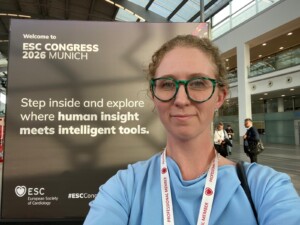
Last week, our Senior Project Leader Kelsi Smith joined the global cardiology community at ESC Congress 2026 in Munich.
Four days of new evidence, clinical debate and evolving treatment approaches provided plenty to bring back to the Quantify team.
Some of Kelsi’s highlights included:
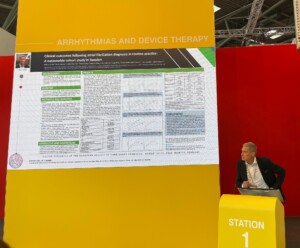
🔹Sessions on management of patients receiving direct oral anticoagulants (DOACs), including evolving evidence in atrial fibrillation of which with Kelsi as first author and Quantifiers Jonas Banefelt and Patrik Sandin as co-authors was presented during the poster session Atrial Fibrillation: Real-world outcomes and risk, where Dr. Johan Engdahl presented the poster: “Clinical outcomes following atrial fibrillation diagnosis in routine practise: a nationwide cohort in Sweden.” The nationwide study highlighted the substantial long-term burden following an AF diagnosis, including mortality, bleeding and ischaemic stroke over 12 years of follow-up.
🔹 The potential of long-acting siRNA therapies, including approaches targeting elevated Lp(a).
🔹 Continued developments in managing acute coronary syndrome, myocardial infarction and atrial fibrillation.
🔹 The increasingly important intersection between chronic kidney disease, obesity and cardiovascular disease, including the first ESC guideline dedicated specifically to cardiovascular disease and CKD particularly underlined the need to consider these conditions together.
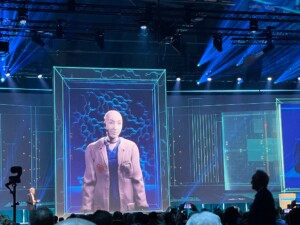
🔹 AI as a major focus, in which discussions involved what these technologies should do in cardiology, rather then when will AI become involved.
Which development from ESC 2026 do you think will have the greatest impact on cardiovascular care?