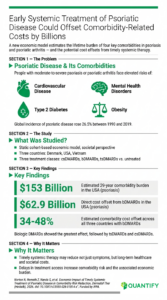
We are pleased to share that our new publication, developed in partnership with the IFPA International Federation of Psoriasis Associations, ” Economic Impact of Timely Systemic Treatment of Psoriatic Disease in Comorbidity Risk Reduction”, has been published in Dermatology and Therapy.
Psoriasis and psoriatic arthritis are associated with an increased risk of serious comorbidities, including cardiovascular disease, type 2 diabetes, obesity, depression, and anxiety. These conditions affect not only patients’ quality of life, but also healthcare systems and society more broadly.
The study found that:
🟢 Timely systemic treatment may substantially reduce the risk of key comorbidities associated with psoriatic disease, while delays in access can contribute to avoidable burden
🟢 Systemic therapies, particularly biologic treatments, were estimated to offset comorbidity-related costs by approximately 34–48% across diverse healthcare settings
🟢 In the USA, treating all patients with moderate-to-severe psoriasis with biologic DMARDs was estimated to offset 62.9 billion USD in direct comorbidity-related costs and 8.1 billion USD in societal costs over a lifetime horizon
🟢 The potential benefits extend beyond skin and joint symptoms, with implications for long-term patient outcomes, healthcare resource use, and productivity
For patient communities, these findings reinforce an important message: managing psoriatic disease early and effectively may help reduce the wider burden of associated health conditions. For healthcare decision-makers, they highlight the importance of considering long-term outcomes when evaluating access to treatment.
We are proud that Quantify’s Nicholas Norton, Zoltán Németh, Soumya Nanda, Abhishek Dhirta, and Kirk Geale, PhD contributed to this work alongside IFPA’s Raquel Vaz, PhD. Congratulations to all authors and collaborators involved in bringing this important research forward.
You can read the full publication here
👉 Better evidence can help us understand the full burden of psoriatic disease and the potential value of addressing it earlier.