
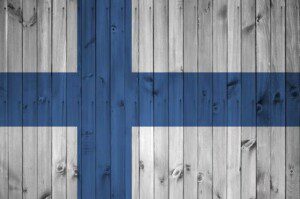
This is the third installment of the RWD sources from the Nordics. This week’s highlight is Finland’s real-world data ecosystem; which is built on something rare: continuity.
📆 Since the 1960s, nationwide health registries have captured longitudinal, population-level data across care settings. Today, these datasets can be securely linked using a unique personal identification number.
What does this enable in practice?
➡️ Nationwide follow-up from primary to tertiary care
➡️ Linkage of diagnoses, procedures, prescriptions, and mortality
➡️ Deep insight into treatment pathways and outcomes
➡️ Integration of hospital data lakes with national registries
➡️ Increasing alignment with OMOP standards
Because healthcare is universal, data are representative of the full population and not selected subgroups.
Structurally, Finland also offers:
◾A national “one-stop shop” for data permits (Findata)
◾Comprehensive primary care data at national level
◾Established biobanks and disease-specific registries
◾Growing use of RWE in HTA, access, and innovation
For life science stakeholders, this creates opportunities to:
▶️ Develop external control arms
▶️ Generate local HEOR evidence
▶️ Assess epidemiology and resource use
▶️ Support access discussions with robust local data
The infrastructure is strong. The strategic question is how to ensure its full potential is realised in practice.
How do you see Finland’s position within the Nordic RWD landscape?